Preventing Moisture Damage with Damp Surveys
- lallypropertyservi
- Jan 6
- 4 min read
Moisture damage is a common and costly problem in residential properties. It can lead to structural issues, health risks, and a significant decrease in property value. One of the most effective ways to prevent moisture damage is through damp surveys. These surveys identify the presence and source of dampness early, allowing for timely intervention and repair. In this article, I will explain the importance of damp surveys, how they work, and practical steps to protect your property from moisture damage.
Understanding Damp Surveys and Their Importance
Damp surveys are detailed inspections carried out by qualified professionals to detect moisture problems in buildings. They assess the extent of dampness, identify its causes, and recommend appropriate remedial actions. Damp can manifest in several forms, including rising damp, penetrating damp, and condensation. Each type requires a different approach to treatment.
Rising damp occurs when moisture from the ground travels up through the walls by capillary action. Penetrating damp is caused by water entering through defects in the building’s exterior, such as cracks or damaged gutters. Condensation happens when warm, moist air meets cold surfaces, leading to water droplets forming inside the property.
Ignoring damp issues can result in peeling paint, mould growth, wood rot, and even structural weakening. These problems not only affect the aesthetics of a home but also pose health risks, particularly respiratory issues caused by mould spores. Therefore, conducting a damp survey is a proactive step to safeguard your investment and maintain a healthy living environment.

How Damp Surveys Are Conducted
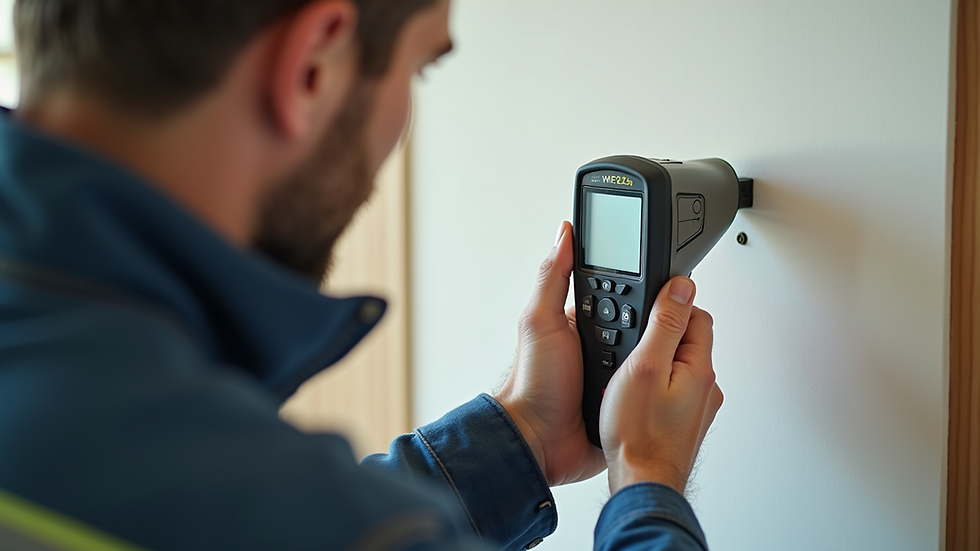
A professional damp survey involves a thorough examination of the property, both inside and out. The surveyor will look for visible signs of dampness, such as discoloured walls, peeling wallpaper, and musty odours. They will also use specialised tools like moisture meters and thermal imaging cameras to detect hidden moisture.
The process typically includes:
Visual Inspection: Checking walls, floors, ceilings, and external features for signs of damp.
Moisture Measurement: Using moisture meters to quantify damp levels in various materials.
Thermal Imaging: Identifying cold spots and moisture accumulation behind walls.
Assessment of Ventilation: Evaluating airflow to determine if poor ventilation is contributing to condensation.
Investigation of Building Features: Examining gutters, downpipes, and roof integrity to find sources of water ingress.
After the survey, the professional will provide a detailed report outlining the findings, the type of damp present, and recommended solutions. This report is invaluable for property owners, buyers, and sellers as it informs decisions about repairs, maintenance, or negotiations.
Practical Steps to Prevent Moisture Damage
Once a damp survey has identified potential or existing moisture problems, it is essential to take action. Here are some practical recommendations to prevent moisture damage:
Improve Drainage Around the Property: Ensure that gutters and downpipes are clear and functioning correctly. Water should be directed away from the building’s foundation.
Repair External Defects: Fix cracks, damaged brickwork, or missing roof tiles promptly to prevent water ingress.
Install or Upgrade Damp Proof Course (DPC): A DPC is a barrier installed in walls to stop rising damp. If it is damaged or missing, professional installation is necessary.
Enhance Ventilation: Use extractor fans in kitchens and bathrooms, and consider installing air bricks or vents to reduce condensation.
Maintain Heating: Consistent heating helps keep internal surfaces warm, reducing the risk of condensation.
Use Suitable Paints and Sealants: Breathable paints allow moisture to escape, preventing trapped dampness.
Regular maintenance and monitoring are key. Scheduling periodic damp surveys can help detect issues before they escalate, saving significant repair costs and preserving the property’s condition.
The Value of Damp Surveys in Property Transactions
Damp surveys play a crucial role in property transactions. For buyers, they provide peace of mind by revealing hidden moisture problems that could affect the property’s value and safety. Sellers benefit by addressing damp issues beforehand, which can speed up the sale process and avoid renegotiations.
Investors also rely on damp surveys to assess the condition of potential acquisitions. Identifying moisture problems early allows for accurate budgeting of repairs and ensures the longevity of the investment.
In Greater Manchester, where weather conditions can contribute to dampness, engaging a trusted provider like Lally Property Services ensures thorough and reliable damp surveys. Their expertise helps property owners, buyers, and sellers make informed decisions and secure their investments effectively.
Maintaining a Dry and Healthy Home Environment
Preventing moisture damage is an ongoing process. Beyond initial repairs, maintaining a dry home environment requires vigilance and good habits. Regularly inspect your property for signs of damp, especially after heavy rain or during colder months.
Consider investing in a dehumidifier if your home is prone to condensation. Keep furniture slightly away from walls to allow air circulation. Additionally, ensure that any landscaping slopes away from the building to prevent water pooling near foundations.
By combining professional damp surveys with consistent maintenance, you can protect your property from the costly effects of moisture damage. This approach not only preserves the structural integrity of your home but also promotes a healthier living space for you and your family.
Preventing moisture damage is essential for protecting your property’s value and your wellbeing. Damp surveys provide the insight needed to tackle damp problems effectively. For expert damp surveys in Greater Manchester, consider contacting Lally Property Services, the leading provider of structural surveys and home inspections in the region. Their professional approach ensures your property remains safe, dry, and secure for years to come.


Comments